Bed bug thermal and chemical remediation in Atlanta addresses the unique mechanical challenges found in local housing stock. Historic heart-pine subfloors in Inman Park, Virginia-Highland, and Grant Park bungalows…
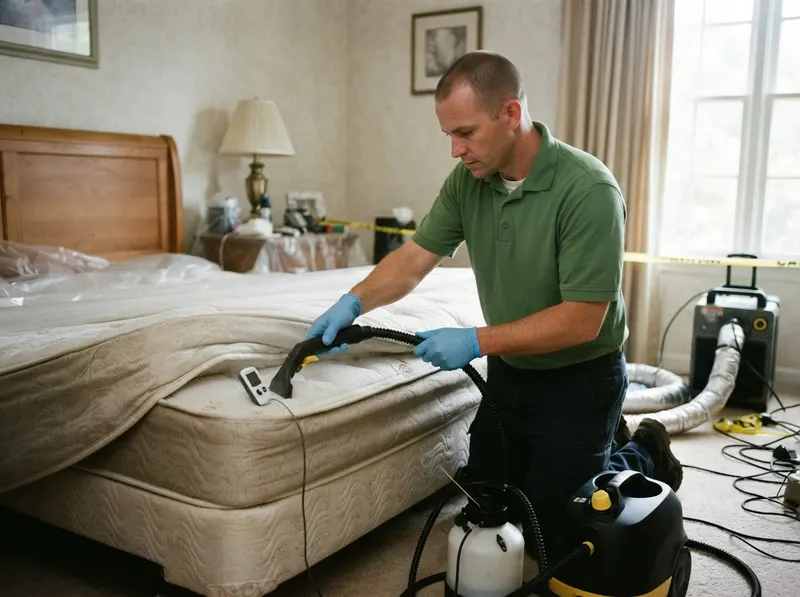
Bed bug thermal and chemical remediation in Atlanta addresses the unique mechanical challenges found in local housing stock. Historic heart-pine subfloors in Inman Park, Virginia-Highland, and Grant Park bungalows often feature narrow expansion gaps where insects harbor deep beyond the reach of standard surface sprays. Whole-room thermal remediation forces circulating dry heat between 122°F and 135°F into wall cavities, floor seams, and mattress tufts, denaturing bed bug cellular proteins within minutes across all life stages, including eggs. Chemical residuals applied alongside heat establish an invisible perimeter along baseboards and conduit entries to intercept any insects pushed toward cooler wall cavities. This dual methodology eliminates the need for expensive 12-month national chain subscriptions, delivering standalone remediation that preserves sanitary sleeping environments.
Selecting between thermal remediation and targeted chemical treatment depends on room clutter, building airflow, and structure size. High-rise condominiums along Peachtree Street in Midtown and Old Fourth Ward lofts with concrete separations benefit significantly from targeted chemical applications and precision steam, which contain treatments strictly to the interior perimeter without tripping centralized commercial heat sensors. Conversely, standalone frame homes in Kirkwood, Peachtree Hills, and West End achieve faster clearance through full thermal heat, which penetrates thick plaster walls and vintage architectural trim in one single-day treatment. The trade-off centers on prep labor versus total duration: thermal services require homeowners to clear heat-sensitive items such as candles, medications, and vinyl records, whereas localized chemical protocols require repeated visits spaced 14 days apart to break the insect hatching cycle.
Operational protocols follow a structured sequence to restore domestic calm without panic. First, technicians inspect mattress seams, electrical faceplates, and headboard mounts using high-lumen optical scopes to map live harboring zones. Second, industrial electric or indirect-fired propane heating units raise ambient room air to lethal thermal thresholds, monitored continuously via wireless temperature sensors placed in the coolest perimeter zones. Third, technicians apply non-repellent insect growth regulators (IGRs) and desiccant dusts inside baseboard voids and wall cavities, ensuring zero off-target drift while creating long-lasting protection safe for occupied homes once dry.
Every job gets a firm, written price after a free on-site visit.
Tell us about your bed bug thermal and chemical remediation job in Atlanta and we'll send a clear, written quote, usually the same day.
 Peachtree Falcon Pest Control